
Last updated on September 22nd, 2025 at 02:53 pm
Yes, ecommerce is still profitable, and it’s not stopping anytime soon. As people become more comfortable with the convenience and reliability of online shopping, we’re seeing a fundamental shift in consumer behavior. More shoppers appreciate the ease of browsing products and items from the comfort of their homes, avoiding long lines and crowded stores. This comfort translates into increased purchases, as consumers are more likely to make impulse purchases and explore new brands.
Worldwide retail ecommerce sales are projected to experience a growth rate of 39% over the coming years, expected to surpass US$8 trillion. Reflecting the ongoing shift toward digital commerce and the increasing importance of e-commerce in the global economy. Factors driving this growth include the rising adoption of smartphones, enhanced internet connectivity, and the expansion of online payment options, which make shopping more accessible than ever.
Why are Ecommerce Stores Worth it?

Ecommerce has been expanding globally for years, creating numerous opportunities for entrepreneurs and business owners to explore. As technology advances and internet access improves, businesses of all sizes can tap into a vast online market, reaching customers far beyond their local areas. This shift has led to innovative business models, allowing entrepreneurs to start ventures with lower overhead costs and greater flexibility.
With the rise of mobile commerce, social media marketing, and personalized shopping experiences, the potential for growth in the e-commerce sector continues to flourish, making it an exciting time for those looking to enter this dynamic marketplace.
-
1. Cheaper costs
Ecommerce has demonstrated significant cost advantages over traditional commerce. Firstly, it eliminates the need for a physical storefront, allowing sellers to operate from the comfort of their own homes. Without the necessity to rent commercial space or obtain various permits, ecommerce offers an optimized approach to selling. Additionally, ecommerce reduces labor costs. Unlike physical stores, which require employees for customer service, cash handling, and general operations, online stores can often function with minimal staffing, thereby lowering manpower expenses. Marketing costs are also generally lower in ecommerce. Traditional advertising methods, such as flyers, posters, and billboards, can be costly and may not yield a high return on investment. In contrast, online marketing strategies, including social media and search engine optimization, can be more cost-effective and targeted.
-
2. Profitable Income
According to a forecast by Statista, retail sales are expected to transition to ecommerce, reaching 20.6% by 2027. This projection underscores the urgency for investment in the ecommerce sector. As consumer preferences increasingly shift toward online shopping, now is the time to take advantage of businesses to capitalize on this trend and position themselves for future growth in the digital marketplace.
-
3. A wide audience base
One of the primary reasons why ecommerce continues to be successful is its accessibility to a global audience. With effective social media marketing strategies, businesses can effectively reach and engage potential customers genuinely interested in their products. As long as there are no access restrictions, anyone with a smartphone can easily browse and purchase from your online store. This widespread accessibility broadens your market reach and enhances the potential for customer acquisition and brand growth.
-
4. High ROI
You can maximize your capital by targeting specific customer segments based on their interests, such as through paid advertising on platforms like Facebook. This approach enables you to effectively specialize your demographics and target market by creating customized content that resonates with their interests. By doing so, you can enhance engagement and improve the overall effectiveness of your marketing efforts.
How Will You Know if the Ecommerce Industry You’re in is Profitable?
-
Power of Buyers
Understanding your customers' purchasing power gives you a realistic view of your potential. Businesses must do this before starting because how will they make a profit if their buyers do not have the ability to purchase? Research and analyze the type of buyers you serve and their status or average wealth. This will give you an advantage in setting realistic pricing and product offerings.
-
Market Demand and Trends
Understanding your industry's market size is vital to determining whether there is a steady customer base and whether growth is possible. Look for growth trends, seasonal spikes, and emerging customer interests within your industry. Then, capitalize on these high-demand opportunities.
-
Competitive Landscape
Analyzing and studying your competitors, their offerings, and pricing can give you a strategic advantage. Assess their strengths and weaknesses and look for gaps where your business can offer something unique to attract customers. A highly competitive industry might require more marketing spend and innovative strategies to stand out, while a less saturated market could be easier to penetrate and gain traction in.
-
Gross margin
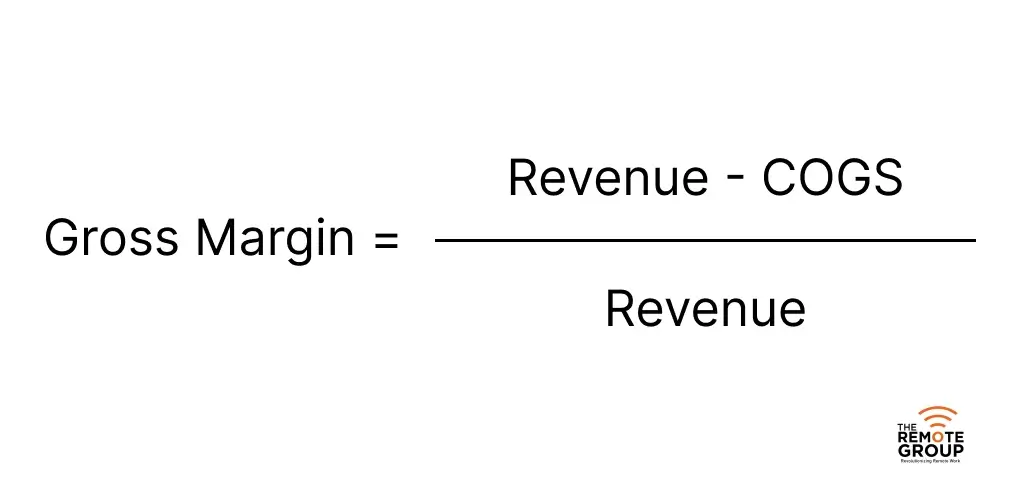
This KPI reflects your profitability on each sale. Gross margin is calculated by subtracting the cost of goods sold (COGS) from your revenue and then dividing it by revenue. A healthy gross margin indicates that your products are priced well above their production cost, contributing positively to overall profits. Gross Margin = (Revenue - Cost of goods sold) / Revenue
-
Customer Acquisition Costs (CAC)
CAC is the total cost of acquiring a new customer, including marketing and advertising expenses. Comparing CAC to your revenue per customer helps determine if your acquisition efforts are sustainable and profitable in the long term.
-
Lifetime Value (LTV)
Lifetime value represents the total revenue you can expect from a customer over their relationship with your business. If your LTV is significantly higher than your CAC, you’re likely to be in a profitable space. A growing LTV signals strong customer loyalty and the effectiveness of your retention efforts.
Top 5 Selling Products in Ecommerce
-
1. Fashion
The global fashion ecommerce market is on an impressive trajectory, projected to exceed $781 billion in value. Fashion is a dynamic industry that constantly evolves, with new trends emerging each season. This continuous transformation fuels high demand for different trending clothing styles that target consumer preferences. From sustainable fashion to luxury items, online stores offer consumers an extensive range of options, making fashion one of the top-selling product categories.
-
2. Skincare
People are now more informed about skincare routines and ingredients due to the rise of platforms where influencers can guide and teach consumers. A focus on self-care is becoming mainstream. Skincare products, especially those promoting health and wellness, appeal strongly to this trend. Consumer interest in skin care products that combine high-quality ingredients with ethical, sustainable, and cruelty-free practices continues to grow. Popular skincare items include moisturizers, serums, cleansers, and sunscreens.
-
3. Vitamins and Minerals
Growing health awareness and interest in wellness drive demand for vitamins and minerals. In 2024, the revenue generated in the Vitamins and minerals market worldwide amounts to a staggering US$31.93 billion. The vitamins and Minerals market comprises natural and synthetic food supplements like multivitamin preparations, minerals, vitamins, tonics, and cod liver oil. Vitamins and minerals include preparations for oral use in the form of capsules, dragees, pills, granules, ampoules, solutions, powders, and syrups.
-
4. Home Decor
The home decor sector has seen a surge in popularity, with consumers investing in creating comfortable and aesthetically pleasing living spaces. From furniture, lighting, wall art, and textiles, this product has been seen across platforms where it has been marketed to promote aesthetics and peace of mind. The growth of online platforms has made it easier for consumers to access unique and stylish home decor items, contributing to its status as a leading ecommerce product category.
-
5. Electronics
Electronics remain one of the top-selling product categories in online stores, driven by technological advancements and consumer demand for the latest gadgets. The electronics market offers a variety of products, from smartphones and laptops to smart home devices and wearables. The convenience of online shopping, combined with competitive pricing and product availability, makes the electronics industry a thriving niche in the ecommerce marketplace.
Why Ecommerce Businesses Outsource in 2025?
For many businesses, the traditional in-house model is becoming a liability. You already know the basics of outsourcing—saving money, offloading tasks—but the smartest, fastest-growing e-commerce brands aren’t just outsourcing to survive. They’re doing it to thrive. This isn’t about simply cutting costs, it’s about gaining a strategic advantage that your competitors are missing.
Here’s why more e-commerce companies are outsourcing in 2025:
1. From Cost-Cutting to Profit-Driving – In today’s market, it’s not enough to simply reduce costs; you have to find ways to generate more revenue. Outsourcing isn’t just about saving money on salaries; it’s about reallocating that budget to high-impact areas like paid advertising, product innovation, or market expansion. This reframes outsourcing as an investment, not an expense.
2. The Customer Experience (CX) Revolution – Modern customers expect a seamless journey from the first click to the final delivery. This involves more than just answering questions.
Proactive Communication: Outsourcing teams can use data to proactively inform customers about shipping delays, restocked products, or personalized offers.
Post-Purchase Engagement: An outsourced team can manage follow-up emails, review requests, and loyalty program enrollment, turning a one-time customer into a repeat buyer.
This moves the conversation from simply “answering calls” to “building a loyal customer base,” which is a much more valuable proposition for a business owner.
3. The E-commerce Tech Stack: Buy vs. Build – Business owners are constantly weighing whether to buy new software and services or build them from scratch. Outsourcing is the ultimate “buy” strategy.
No Development Costs: An outsourced partner already has the robust tech stack needed for things like fraud detection, inventory management, and marketing automation.
Instant Integration: They handle the complex API integrations and system updates, saving you from a massive IT headache.
Future-Proofing: Good outsourcing partners continuously update their technology to stay ahead of the curve, so you’re always using the best and most current tools without having to manage it yourself.
4. The Data-Driven Decision – Data is the new currency of e-commerce. You can’t make smart business decisions without it. Outsourcing gives you access to specialized data analysts who can turn raw data into actionable insights.
Customer Behavior Analysis: They can identify what products are performing best, where customers are dropping off in the sales funnel, and what marketing channels are driving the most profit.
Predictive Inventory Management: Using historical data, an outsourced team can forecast demand to prevent stockouts or overstocking, saving you significant capital.
The Future of E-commerce is Strategic Partnership
In 2025, outsourcing is no longer a last resort for cutting costs. It is a calculated, strategic business decision that unlocks a new level of agility, expertise, and competitive advantage. It’s about more than just saving money—it’s about buying back time. It frees you and your core team to focus on the high-impact work that truly drives growth: innovation, strategy, and brand building. This shift from operational management to strategic leadership is the unconventional edge that will define success in the modern e-commerce landscape.
With the ecommerce market becoming more competitive, starting and maintaining an ecommerce business can be challenging. In recent years, many businesses have turned to outsourcing as a strategic approach to maintaining competitiveness and efficiency. Having an ecommerce specialist and professional to help you conduct your operations is a great advantage for businesses.
The Remote Group has been a go-to partner for ecommerce businesses over the years. Ecommerce businesses that used outsourcing have seen enhanced customer satisfaction and efficiency in operations, support, and activities. One great advantage of outsourcing is that after getting an improved quality of services, businesses save a lot of money while outsourcing. Additionally, business owners can focus more of their time on core operations and have time for themselves.

