
Last updated on February 5th, 2026 at 11:27 am
Australia is quickly becoming one of the world’s leaders in renewable energy, with the solar industry driving much of that momentum. Once considered a niche energy source, solar power has now become mainstream, powering both homes and businesses across the country.
By 2025, solar energy was expected to account for nearly 18% of Australia’s total electricity generation, with more than 4 million rooftop solar systems already installed nationwide. Combined with the rapid growth of battery storage, commercial installations, and utility-scale projects, the shift toward renewable energy is reshaping the nation’s power grid and creating new opportunities across the industry.

But with growth comes new challenges. As solar companies expand their projects, the need for a skilled workforce, efficient operations, and cost-effective solutions also increases. Managing demand, compliance, and daily operations can overwhelm internal teams, especially when the market is moving this fast.
That’s where outsourcing for solar companies becomes a strategic advantage. By partnering with experts like The Remote Group, renewable energy companies can scale faster, reduce overhead costs, and access specialized talent from technical support and project coordinators to engineers and marketing professionals without sacrificing quality.
In a thriving yet competitive industry like Australia’s solar market, the ability to scale efficiently can define a company’s success. Outsourcing gives solar businesses the flexibility and talent they need to focus on innovation, project delivery, and sustainable growth.
Why is Australia leading the Global Solar Growth?
Australia is at the forefront of a global solar energy revolution. With some of the highest solar irradiation levels in the world, the country has turned its natural advantage into economic and environmental opportunity. Since 2023, government-backed initiatives, rapid technological advancements, and the growing affordability of solar systems have accelerated adoption across both homes and large-scale operations.
Recent data underscores this momentum. Combined solar, wind, hydro, and biomass generation produced 9.24 terawatt hours of electricity, overtaking coal’s 8.8 terawatt hours, a defining milestone in Australia’s clean energy transition. According to the Australian Renewable Energy Agency (ARENA), the government’s $1 billion Solar Sunshot Program and its recent $34.5 million investment in domestic solar manufacturing are driving record growth in production and energy innovation.
According to The Guardian, renewables now generate 43% of electricity across Australia’s primary power grid, with rooftop solar up 16%, wind farms up 18%, and large-scale solar farms up 10%. Battery output also surged 86% as more large batteries were connected to the grid.
Meanwhile, the Australian Energy Market Operator (AEMO) reveals that in Q2 2025, distributed photovoltaic output rose 15% year-on-year, and grid-scale solar increased 17%, pushing renewable generation to 37.9% of total demand.
This rapid growth demonstrates why Australia has become a model for global renewable transition. The combination of policy support, infrastructure investment, and technological capability continues to position Australia as a clean-energy leader. However, the industry’s expansion also brings new challenges, such as scaling operations efficiently to meet rising demand.
For solar and renewable energy companies, this means strengthening back-office operations, customer support, and technical management without overextending internal teams. That’s where outsourcing and remote staffing solutions play a crucial role.
The Challenges in Scaling Operations in a Fast-moving Industry
Rapid growth brings new operational challenges, especially in scaling efficiently while maintaining quality, compliance, and profitability. Scaling operations means being able to handle rising demand, sustainably grow revenue faster than costs, and maintain consistent performance across all functions. For solar and renewable energy businesses, this involves optimizing workflows, adopting new technologies, and building scalable systems for project management, recruitment, and onboarding.
One of the biggest challenges in scaling is recruitment, finding skilled professionals who can keep up with the industry’s technical and operational demands. The renewable energy sector in Australia faces an ongoing shortage of qualified talent, particularly in engineering, design, and customer support roles. This is where outsourcing in Australia and the Asia-Pacific region becomes a strategic advantage. Many solar companies are now leveraging offshore teams and outsourcing partners to fill technical, administrative, and marketing roles, ensuring continuity and cost efficiency as they expand.
Recognizing these challenges early helps businesses prepare for sustainable long-term growth. Here are some common hurdles businesses encounter as the renewable energy sector accelerates:
1. Growing Too Quickly
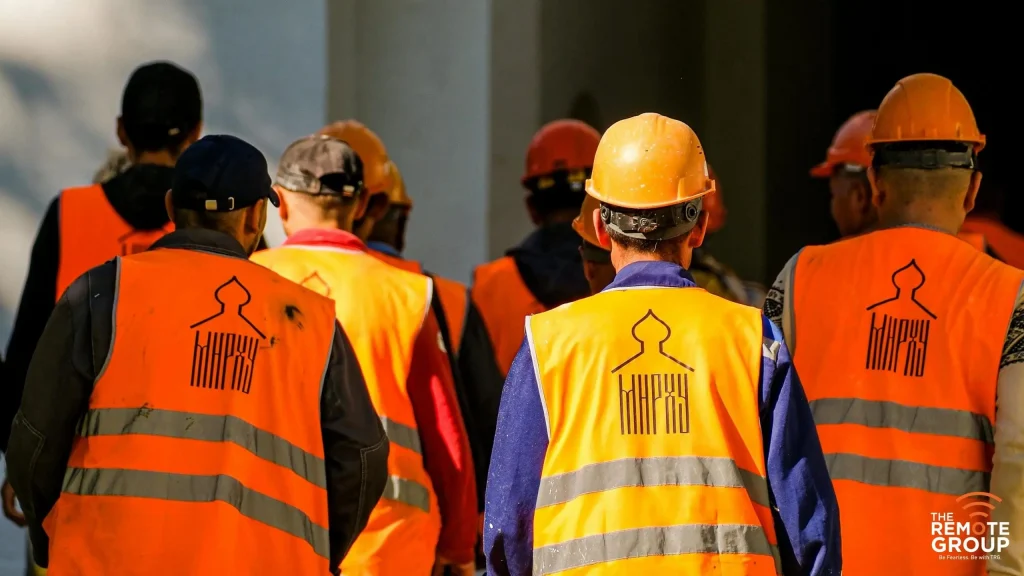
Rapid expansion can strain operations without proper systems in place. When growth happens quickly, business owners often feel overwhelmed with all the demands and workload. A well-structured onboarding and training process ensures new hires and outsourced teams integrate seamlessly, maintaining service quality even as project demand rises.
2. Declining Quality and Consistency
As solar installations increase, maintaining consistent quality and customer experience can be difficult. Establishing clear quality assurance frameworks and collaborating with trusted teams helps ensure standards remain high across all projects.


3. Outdated or Overwhelmed Business Models
The business model that worked in the early stages may no longer be sustainable. To stay competitive, companies must adapt their operations to industry trends, emerging technologies, and evolving energy regulations. Sometimes, this means streamlining services or realigning resources to focus on the most profitable opportunities.
4. Strained Company Culture and Systems
Fast growth often challenges in-house culture and communication. A strong operational framework supported by structured hiring, training, and cultural integration between local and outsourced teams helps preserve identity and collaboration as the company expands.


5. Increasingly Complex Operations
From supply chain coordination to grid compliance, solar companies face rising operational complexity. From supply chain coordination to compliance and customer support, the growing workload can impact efficiency. Implementing scalable systems and leveraging outsourced project support can streamline processes and effectively manage workload spikes.
6. Inefficient and Repetitive Tasks
Repetitive and time-consuming tasks often become hidden barriers to scalability. Manual processes such as data entry, project tracking, reporting, or customer follow-ups can slow operations and drain valuable resources. When teams spend more time managing routine work than focusing on strategy or performance optimization, operational efficiency suffers.

7. Keeping Up with New Demands
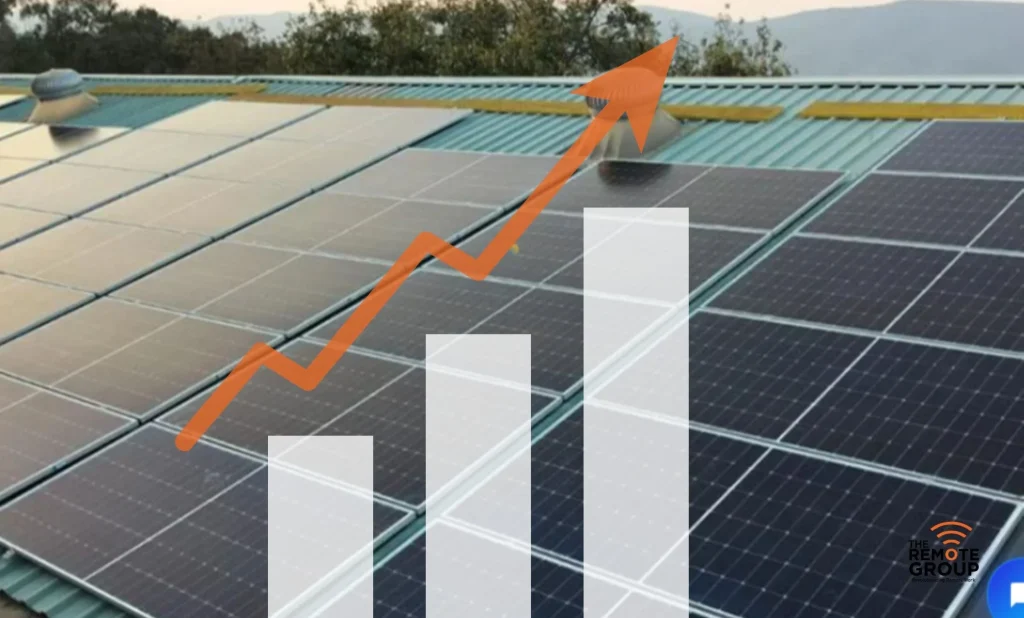
As technology and consumer expectations evolve, early employees may struggle to adapt. By combining in-house expertise with outsourced specialists, solar companies can bridge skill gaps, stay competitive, and meet new market demands faster.
Scaling a solar or renewable energy business in Australia’s fast-growing market requires a balance between innovation and stability, growth and quality, local expertise and global talent. Through innovative outsourcing strategies and operational excellence, solar companies can manage expansion efficiently while driving the nation’s clean energy future forward.
What does the Solar Boom in Australia mean for Scaling Operations?
With over 4 million rooftop solar systems installed and rapid expansion in commercial and utility-scale projects, solar companies are seeing demand rise faster than ever. This growth presents tremendous opportunities but also real operational challenges that should be addressed.
As projects multiply, businesses must manage more complex workflows, from project coordination and compliance tracking to customer support and reporting. Internal teams can quickly become stretched, which risks delays, inconsistent quality, and operational bottlenecks.
The solution is not just about scaling staff but also about building scalable systems that allow solar companies to grow without sacrificing quality or profitability. By combining in-house expertise with carefully structured remote or specialized teams, businesses can ensure that core operations run smoothly, deadlines are met, and innovation continues.
The Remote Group is one of the best outsourcing partners. We provide highly skilled professionals trained explicitly for the solar and renewable energy sector. We provide highly skilled professionals specifically trained for the solar and renewable energy sector. Each candidate undergoes a rigorous and intensive recruitment process to ensure they possess the right skills, experience, and cultural fit before being presented to our clients.
How does outsourcing supports solar companies’ growth?
In today’s sustainable market, renewable energy companies are under pressure to scale their operations quickly without compromising quality or profitability. The role of outsourcing can be vital in addressing these challenges, helping the solar and renewable energy industries to grow faster, operate more efficiently, and stay competitive in the market.
When solar companies collaborate with outsourcing providers like The Remote Group, they gain access to specialized support across multiple operational areas. This combination allows businesses to focus on their technical and strategic strengths while relying on an experienced offshore team to manage the supporting functions that keep projects running smoothly.
For example, while in-house engineers and project managers focus on solar design, installation, and system optimization, outsourced teams can handle essential yet time-consuming tasks such as data management, lead coordination, marketing support, and customer communication. This integrated workflow not only improves turnaround time but also ensures that operations remain consistent and scalable as project volumes increase.
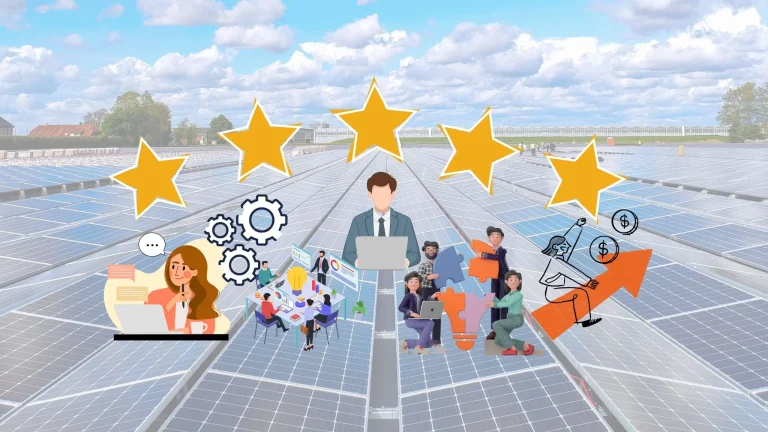
Another advantage of outsourcing in the renewable energy industry is flexibility. Solar companies can quickly scale their teams up or down based on project demand, whether it’s expanding sales operations during peak months or bringing in technical support specialists for system monitoring and reporting. This agility enables them to maintain service quality while effectively managing costs, a key factor in today’s competitive clean energy landscape.
In a fast-moving industry like solar, success relies on collaboration. By combining local expertise with offshore operational excellence, businesses create a hybrid model that strengthens productivity, ensures quality control, and supports long-term sustainability.

What is Solar Outsourcing?
Solar outsourcing is a strategic business practice where solar and renewable energy companies contract specific jobs, tasks, or entire business functions to external teams. This allows the in-house team to sharpen its focus on core business operations, such as sales, installation, and financing. Rather than building massive internal departments, solar businesses can hand off key roles to professional, often offshore teams.
Simply put, solar outsourcing provides growing companies with immediate access to the right people, proven systems, and expert support. It’s a scalable solution that allows businesses to expand their capacity and capabilities without the complexity and burden of managing a large internal workforce.
The Benefits of Offshore Teams for Solar and Renewable Energy Companies
1. Assess your capacity and priority gaps

2. Solve the talent shortage with targeted recruiting

3. Standardize onboarding and SOPs

4. Delegate Repetitive and Administrative Tasks

5. Flexible staffing for seasonal and project peaks

6. Embed quality assurance & continuous improvement

7. Free internal capacity for innovation

8. Cost-Effective Innovation

The Remote Group Roles for Solar & Renewable Energy Companies
The Remote Group provides highly skilled professionals to support every aspect of solar and renewable energy operations. We ensure every candidate meets the highest standards before joining your team. Whether you need one specialist or an entire remote team, we can customize staffing to meet your operational needs. Our offerings include roles directly tied to solar and renewable energy operations, as well as roles from other industries that support the growth and efficiency of your business:
Data Analysts
Customer Success Managers
Supply Chain Coordinators
Data Entry, Admin, and Virtual Assistants
Service Coordinators & Project Assistants
Operations & Maintenance (O&M)
Financial & Accounting Experts
Human Resources & Recruitment Specialist
Marketing Specialists
Sales Support
Technical Support
Companies that leverage outsourcing today are ready to scale their operations, adapt to market changes, and lead in the solar and renewable energy sector. As Australia’s solar industry continues to grow, partnering with skilled remote teams will be essential for your business goals. Get in touch today and build your remote team with confidence.
FAQs:
What roles can solar companies outsource?
Many solar businesses outsource roles such as customer service, data analysis, project coordination, engineering support, digital marketing, finance, and virtual assistance. The emote Group also custom-hires for specialized positions, such as technical support, O&M coordinators, and design assistants
Is outsourcing only for large solar companies?
Not at all. Whether you’re a small solar startup or a national provider, outsourcing helps you access skilled professionals without the high cost of in-house staffing. You can start with one role and scale as your operations grow.
How do we maintain quality with outsourced teams?
TRG ensures consistent quality through structured onboarding, role-specific training, and continuous performance monitoring. We also maintain open communication between your local and remote teams to ensure alignment on goals and standards.
How quickly can we get started?
Most roles can be filled within 2–4 weeks, depending on your requirements. Our HR specialists handle the recruitment, interviews, and setup so your remote team is ready to go with minimal effort on your end.
What makes The Remote Group different from other outsourcing providers?
TRG stands out for its industry-specific recruitment, high retention rate, and personalized approach. We don’t just fill seats, we find the right professionals who match your company culture, goals, and technical needs.

