
Outsource Network Engineer in the Philippines
Maintaining a robust and secure network infrastructure is crucial for organizations of all sizes in today’s interconnected business landscape. With the growing complexity of network systems and the rising costs of in-house IT personnel, many companies are turning to the Philippines as a prime destination for outsourcing network engineering talent.
At The Remote Group, you gain access to top, talented offshore network engineers at a fraction of the cost while maintaining the same quality of service. Equipped with modern industry expertise and years of experience in providing exceptional IT network services.
What is a Network Engineer?
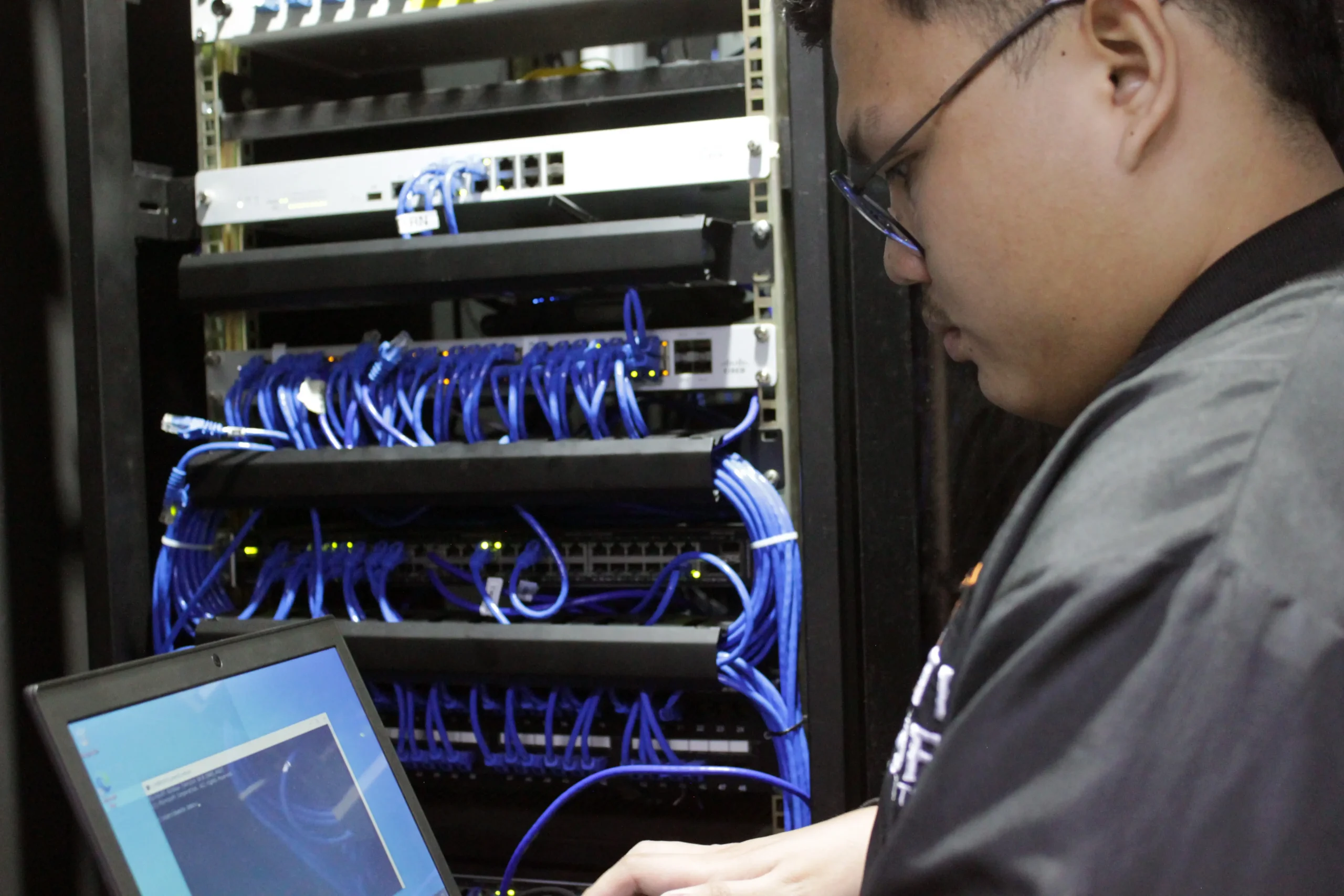
A network engineer is a technical specialist who designs, implements, maintains, and optimizes computer networks. These networks include local area networks (LANs), wide area networks (WANs), network segments, data transfer, cloud environments, and internet systems. As businesses increasingly rely on digital infrastructure, network engineers are crucial in ensuring efficient operations and maintaining cybersecurity standards.
According to industry reports, the global network engineering market is projected to reach $85.49 billion by 2028, growing at a CAGR of 10.1%. This growth can be attributed to the adoption of advanced network analytics, the emphasis on global connectivity and network integration, the increasing complexity of network environments, and the focus on sustainable and green networking practices. Network automation has transformed the network engineering market and will continue to shape the future, making network engineers more in demand.

Streamline your day-to-day and boost your productivity with The Remote Group
Network Engineer Job Description
Job Overview:
Responsibilities:
- Design and implement network infrastructures, including LANs, WANs, and wireless networks.
- Configure and maintain network equipment, including routers, switches, firewalls, and load balancers.
- Monitor network performance and optimize network architecture for maximum efficiency.
- Implement security measures and ensure network compliance with industry standards.
- Troubleshoot complex network issues and implement solutions.
- Manage network automation and orchestration tools.
- Develop and maintain network documentation and standard operating procedures.
- Implement disaster recovery and business continuity protocols.
- Collaborate with cross-functional teams to align network capabilities with business objectives.
- Stay current with emerging networking technologies and industry best practices.
Skills:
- Advanced knowledge of networking protocols and architectures
- Strong expertise in routing, switching, and network security
- Proficiency in network automation and scripting
- Excellent problem-solving and analytical abilities
- Strong project management capabilities
- Advanced troubleshooting skills
- Effective communication and documentation abilities
- Strong understanding of cloud networking concepts
- Expertise in network monitoring and optimization tools
- Ability to work effectively under pressure
Job Qualifications:
- Bachelor's degree in Computer Science, Network Engineering, or related field
- Professional certifications such as CCNA, CCNP, or comparable credentials
- Proven experience in network design and implementation
- Strong understanding of network security principles
- Experience with networking automation and scripts
Average Salary of Network Engineers
-
United States:
$95,000 - $149,000
-
United Kingdom:
£31,000 - £50,000
-
Australia:
$82,000 - $120,000
-
Canada:
$60,000 - $92,000
-
Junior Level:
$4,329 - $10,307
-
Mid Level:
$6,597 - $13,606
-
Senior Level:
$12,781 - $25,769
Why Outsource Network Engineers to the Philippines?
Strong Technical Education
Cost-Effective Excellence
Cultural Compatibility
Time Zone Advantage
Strong Government Support in IT Outsourcing
List of IT Roles You can Outsource
IT Operations and Support
- Network Engineer
- System Administrator
- Technical Support Specialist
- IT Manager
- IT Analyst
Data and Analytics
- Artificial Intelligence (AI) Engineer
- Data Scientist
- Data Engineer
- Machine Learning Engineer
- Business Intelligence Analyst
Software and Application Development
- Software Engineer
- Full-stack Web Developer
- Web3 Developer
- Mobile App Developer
Cloud and Infrastructure
- Cloud Architect
- Cloud Engineer
- Cloud Infrastructure Engineer
- Site Reliability Engineer
Security and Quality Assurance
- Cyber Security Analyst
- Quality Assurance Engineer
- Quality Assurance Tester
DevOps and Automation
- DevOps Engineer
- DevOps Architect
- Database Administrator
Why Partner with The Remote Group’s Network Engineer?

FAQs for Outsourcing Network Engineers
Faqs 1
Can Network Engineers Work From Home?
Faqs 2
Can you outsource cybersecurity analysts?
Absolutely! Network engineering roles are highly suitable for outsourcing, particularly with today’s advanced remote management tools and cloud infrastructure. Many organizations successfully outsource network engineering functions, from routine maintenance to complex network design projects. The key is finding a reliable outsourcing partner with a proven track record in providing qualified network engineering talent, robust security protocols, and effective remote collaboration frameworks – all of which The Remote Group specializes in.
Faqs 3
How Quickly Can I Onboard an Outsourced Network Engineer?
Through The Remote Group’s advanced recruiting process, you can have a qualified Network Engineer ready to start within 1-3 weeks, including technical assessment, interviews, and initial onboarding.
